
What You Need to Know About the Statute of Limitations for Personal Injury in New York
What You Need to Know About the New York Slip and Fall Law
Get The Legal Help You Need!
Schedule Your Free ConsultationOVER $450 MILLION IN SETTLEMENTS RECOVERED.
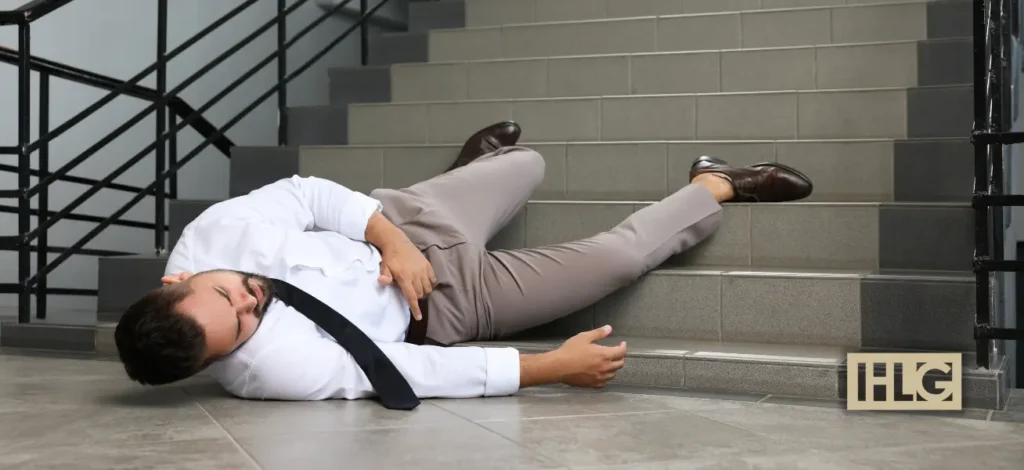
Slip and fall accidents can happen anywhere, whether it’s a grocery store, an office building, or a friend’s apartment. One moment you’re walking, and the next you may be facing pain, mounting medical bills, and the possibility of long-term injuries. If this has happened to you in New York, you might be wondering if the property owner can be held accountable and whether you can seek compensation for your injuries.
In New York, slip and fall cases are handled under premises liability law. This means the person or entity responsible for maintaining the property may be legally liable if their negligence caused your accident. The details matter, from the maintenance records to the circumstances surrounding your fall. Knowing your rights under New York slip and fall law can make a difference in your ability to recover damages if you’ve been injured.
Legal Basis for Slip and Fall Claims in New York
New York premises liability is built on common-law negligence. Property owners, managers, and tenants must use reasonable care to keep their spaces reasonably safe. New York’s highest court has moved away from rigid visitor categories and applies one standard of reasonable care under the circumstances.
What you must prove
To pursue a New York slip and fall claim, you’ll need to show:
- A dangerous condition existed.
- The property owner created it or had actual or constructive notice of it. Constructive notice means the hazard was visible and apparent long enough that it should’ve been discovered and fixed.
- That failure caused your injuries.
- Your damages are real and documented.
Common proof includes incident reports, photos or video, maintenance records, witness statements, medical records, and wage documentation.
Key New York rules that often decide these cases
- Comparative negligence. New York follows a pure comparative negligence rule. This means you can still recover compensation even if you are 99% at fault, though your award will be reduced by your percentage of fault.
- Open and obvious hazards. Owners usually don’t have to warn about dangers that are open and obvious, although they can still be liable if the condition was unreasonably dangerous.
- Trivial defect doctrine. Very small or insignificant walkway defects may be deemed too trivial to be actionable, depending on the defect’s characteristics and the surrounding circumstances.
- Storm-in-progress. Owners generally aren’t liable for snow or ice conditions while a storm is ongoing, or for a reasonable time after it ends, though liability can attach once there’s time to address the hazard.
- Contractors and third parties. A snow or maintenance contractor’s duty to injured third parties is limited, with liability only in defined exceptions, such as when the contractor creates or worsens the hazard.
- NYC sidewalk cases. In New York City, abutting property owners are generally responsible for keeping sidewalks reasonably safe and can be liable for injuries from a failure to do so, with narrow exceptions for certain one-, two-, or three-family owner-occupied residences.
Common Causes of Slip and Fall Accidents
Slip and fall accidents can stem from many hazards. Some of the most common causes include:
- Wet or slippery floors without warning signs
- Broken or missing handrails
- Poor lighting in stairwells or hallways
- Loose rugs or torn carpeting
- Ice or snow not cleared in a timely manner
- Debris or obstructions in walkways
In some cases, fall accident injuries occur at construction sites or on someone else’s property where safety protocols were not followed. A New York slip and fall attorney can assess whether the facts support a premises liability claim.
Types of Injuries You Could Face
The severity of slip and fall injuries varies. Some accident victims walk away with minor bruises, while others face life-altering conditions. Examples include:
- Broken bones
- Sprains and torn ligaments
- Spinal cord injuries
- Traumatic brain injury
- Catastrophic injuries that require long-term care
- Wrongful death in the most tragic cases
The medical treatment you need and the extent of your physical pain will impact your slip and fall lawsuit, including the value of your claim.
Steps to Take After a Slip and Fall Accident in New York
What you do in the hours and days after your fall can significantly affect your premises liability claim. Consider the following actions:
- Seek medical treatment right away, even if you feel fine. Some injuries, like concussions, may not show immediate symptoms.
- Report the accident to the property owner or manager and request a written report.
- Document the scene by taking photos or videos of the hazard, your injuries, and the surrounding area.
- Collect witness information from anyone who saw the accident.
- Keep all medical records and bills, as well as documentation of missed work and lost wages.
- Avoid giving recorded statements to the insurance company before speaking with a slip and fall attorney.
Compensation in a Slip and Fall Case
If your slip and fall claim is successful, you may recover damages for:
- Medical expenses
- Lost wages
- Future lost wages
- Physical pain and emotional suffering
- Other out-of-pocket costs related to the injury
Many victims also face emotional stress, anxiety, or depression over the injury and the uncertainty ahead. These are all factors a personal injury attorney can address in valuing your claim. In New York, there is no fixed formula for calculating compensation. Courts and insurance companies look at the severity of your injuries, the impact on your daily life, and the circumstances surrounding the accident.
Deadlines for Filing a Slip and Fall Lawsuit
Under N.Y. C.P.L.R. § 214(5), you generally have three years from the date of the accident to file a personal injury claim, including slip and fall cases. If your claim involves a city or other government entity, the timeline is shorter, you must file a notice of claim within 90 days and begin your lawsuit within one year and 90 days. Missing these deadlines could mean losing your right to seek compensation.
When the Insurance Company Gets Involved
After a slip and fall injury, you may be contacted by the property owner’s insurance company. Adjusters often try to downplay your injuries or suggest you were at fault. They may also argue that the hazard was open and obvious or claim the property owner had no notice of it. Some may make quick lowball settlement offers hoping you don’t realize the full value of your losses. It’s important not to give recorded statements or accept a settlement offer before you know the full extent of your injuries and losses.
Working with Melville personal injury attorneys can help level the playing field when dealing with insurance companies that want to minimize payouts.
Why Acting Quickly Matters
Every slip and fall case is unique, and evidence can disappear quickly. Surveillance footage may be erased, and hazardous conditions may be repaired. Acting promptly gives you the best chance of preserving evidence and building a strong premises liability claim.
Protect Your Rights After a Slip and Fall in New York
Have you been injured? Help is here. At The Harrison Law Group, P.C., a New York slip and fall law firm trusted by accident victims for more than 30 years, we hold property owners accountable when their negligence causes serious injuries. Whether your fall accident happened in a store, an apartment complex, or on a public sidewalk, we are ready to evaluate your case and pursue fair compensation for your medical bills, lost wages, and other damages.
If you or someone you love suffered injuries in a slip and fall accident, call (631) 465-9797 or fill out our confidential online form to schedule your free case evaluation. We work on a contingency fee basis, so you pay nothing unless we recover compensation for you.
Copyright © 2025. The Harrison Law Group, P.C. All rights reserved.
The information in this blog post (“post”) is provided for general informational purposes only and may not reflect the current law in your jurisdiction. No information in this post should be construed as legal advice from the individual author or the law firm, nor is it intended to be a substitute for legal counsel on any subject matter. No reader of this post should act or refrain from acting based on any information included in or accessible through this post without seeking the appropriate legal or other professional advice on the particular facts and circumstances at issue from a lawyer licensed in the recipient’s state, country, or other appropriate licensing jurisdiction.
The Harrison Law Group, P.C.
534 Broad Hollow Road, Suite 100,
Melville, New York 11747
(631) 465-9797
https://hlgnystg.webteam.ai
Related Posts
Ask a Question,
Describe Your Situation,
Request a Consultation
Call (631) 465-9797 or fill out the short form below. We will usually respond within 1 business day but often do so the same day. Don’t hesitate, your questions are welcome.
* Required Fields
We respect your privacy. The information you provide will be used to answer your question or to schedule an appointment if requested.
Our Services
Personal Injury
Car Accidents
Motor Vehicle Accidents
Catastrophic Injury
Child Injury
Construction Accidents
Dog Bites
Medical Malpractice
Birth Injury
Nursing Home Abuse
Premises Liability
Product Liability
Workplace Accidents
Workers’ Compensation
Wrongful Death
Areas Served
Real Clients, Real Reviews
Read More ReviewsOur Locations
Melville Office
The Harrison Law Group, P.C.
Elmhurst Office
(By Appointments Only)